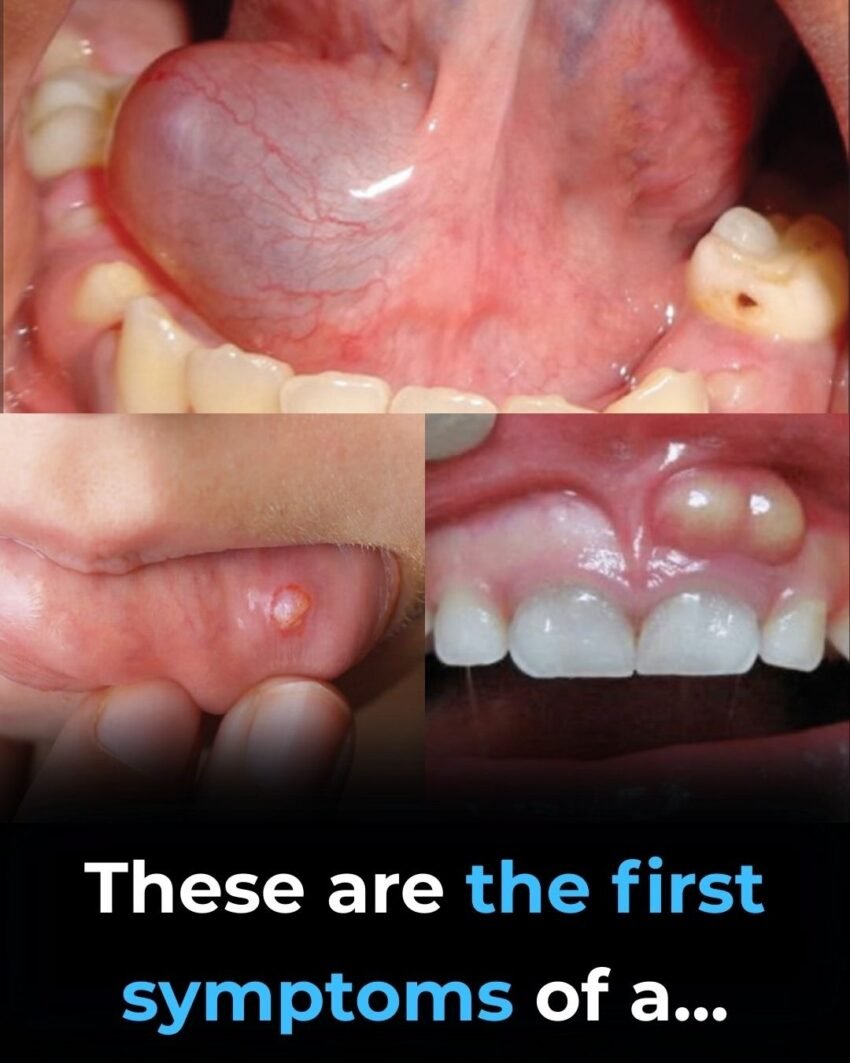
Oral cancer often develops quietly, so noticing early changes in your mouth can make a big difference. The goal isn’t fear—it’s awareness and timely care. Most mouth changes are harmless, but some signs deserve attention.
What Is Oral Cancer?
Oral cancer refers to cancers that develop in the lips, tongue, gums, inner cheeks, roof or floor of the mouth, and throat area. Many cases are a type called Squamous cell carcinoma, which begins in the thin cells lining the mouth.
Early detection greatly improves treatment success.
Early Signs to Notice 👄
1. A sore that doesn’t heal
- Mouth ulcers usually heal within 1–2 weeks.
- A sore that persists longer than 2–3 weeks should be checked.
2. White or red patches
- White patches may be Leukoplakia.
- Red patches may be Erythroplakia.
These patches are not always cancer but can sometimes become cancerous.
3. A lump or thickened area
- Feeling a bump, thick spot, or swelling inside the mouth or on the neck.
4. Persistent pain or numbness
- Ongoing pain, tenderness, or numbness in the tongue or lips.
5. Difficulty chewing or swallowing
- Feeling like something is stuck in the throat or discomfort when swallowing.
6. Loose teeth without dental cause
- Teeth becoming loose even though gums seem healthy.
7. Changes in voice or speech
- Hoarseness or difficulty pronouncing certain words.
Who Is at Higher Risk?
Certain factors increase the risk of Oral cancer:
- Tobacco use (smoking or chewing)
- Heavy alcohol use
- Infection with Human papillomavirus infection
- Long-term sun exposure to the lips
- Poor oral hygiene
- Age over 40
When to Act
See a doctor or dentist if any mouth change:
- lasts more than 2 weeks
- bleeds easily
- grows or spreads
- causes persistent pain or swallowing problems
Early evaluation may involve a simple exam or a biopsy if needed.
Reassuring Reality 💬
Many mouth symptoms come from minor issues like:
- canker sores
- irritation from sharp teeth or dentures
- infections
- vitamin deficiencies
But checking persistent symptoms is important because early oral cancer is often very treatable.
✅ A simple habit: Once a month, look in the mirror and check your tongue, gums, cheeks, and roof of your mouth for unusual changes.
If you want, I can also show you a simple 60-second self-check dentists recommend to spot possible oral cancer early at home.
