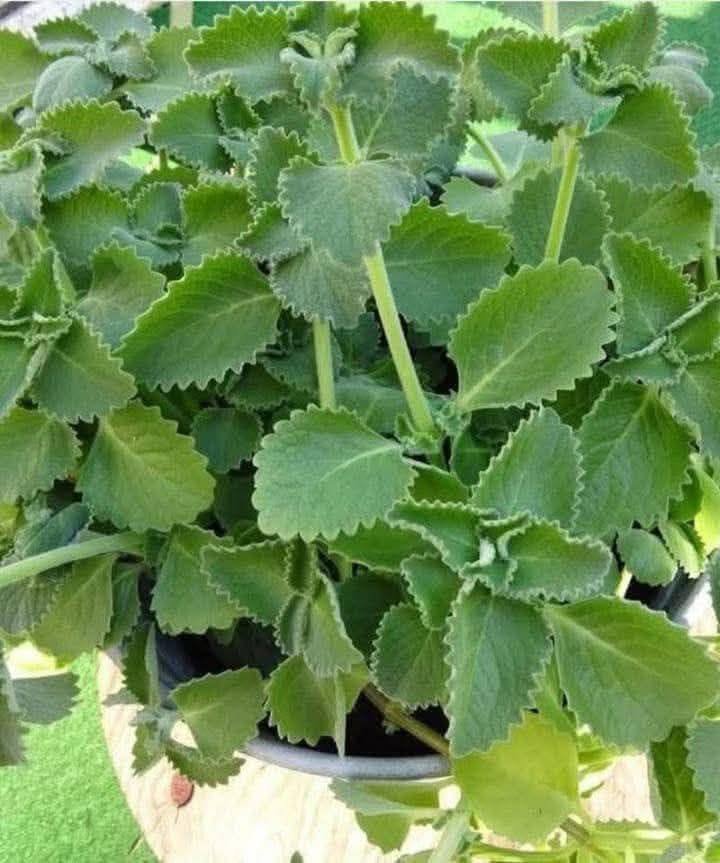
Posts claiming that a single plant can restore vision, replace glasses, or cure cataracts are usually misleading. While some plants contain nutrients that support eye health, no plant has been proven to reverse cataracts or eliminate the need for glasses.
What Cataracts Actually Are
Cataract occurs when the normally clear lens of the eye becomes cloudy. This commonly happens with aging but can also be linked to diabetes, injury, or long-term sun exposure.
Currently, the only proven treatment that restores vision from cataracts is surgical removal of the cloudy lens.
Plants Often Mentioned in Eye-Health Claims 🌿
Some plants contain nutrients that may support overall eye health, but they do not cure cataracts:
- Bilberry – rich in antioxidants that may support retinal health.
- Carrot – contains beta-carotene (vitamin A precursor) important for vision.
- Ginkgo biloba – sometimes studied for circulation to the eyes.
- Leafy greens like spinach and kale contain lutein and zeaxanthin, nutrients linked to eye protection.
These may help support eye health or slow some age-related changes, but they cannot remove a cataract once it forms.
When to See an Eye Specialist
You should have an eye exam if you notice:
- blurry or cloudy vision
- glare from lights at night
- faded colors
- frequent changes in glasses prescription
These are common symptoms of Cataract.
Bottom Line 👁️
- Plants and good nutrition can support eye health.
- They cannot replace glasses or cure cataracts.
- Modern cataract surgery is very safe and highly effective for restoring vision.
If you want, I can also show you the 5 nutrients ophthalmologists say actually help protect vision as you age.
